
CBT-I for chronic insomnia, provided by licensed clinicians throughout Colorado.
Book An AppointmentYou can receive insomnia treatment from home whether you live along the Front Range, in a mountain town or on the Western Slope.
Our clinicians are licensed in Colorado and trained in Cognitive Behavioral Therapy for Insomnia (CBT-I).
Most patients attend video appointments. Limited in-person appointments are available; confirm availability when booking. Treatment begins with an evaluation and a plan tailored to your sleep. Meet the Colorado clinicians.
The American College of Physicians recommends CBT-I as the initial treatment for adults with chronic insomnia. Its guideline advises discussing medication if CBT-I alone is not sufficient.
The American Academy of Sleep Medicine's 2021 behavioral treatment guideline goes further: of every behavioral approach it reviewed, multicomponent CBT-I earned its only strong recommendation.
CBT-I addresses habits and thoughts that can keep insomnia going. Research shows that improvements can last after treatment ends, and patients learn skills they can use if sleep difficulties return.
Clinical trials show that many people no longer meet the criteria for insomnia after completing CBT-I, while others experience meaningful improvement. Follow-up studies have found that benefits can persist for months or years.
Treatment cannot prevent every difficult night. Stress, illness, travel or a change in schedule can still disrupt sleep.
Your clinician helps you prepare for those setbacks, with a plan for recognizing returning symptoms and using the strategies that helped you.
Insomnia is considered chronic when difficulty falling asleep, staying asleep or returning to sleep occurs at least three nights a week for three months or longer, despite enough opportunity to sleep, and affects you during the day.
Several patterns can contribute to ongoing insomnia:
Spending longer in bed or taking catch-up naps may reduce your need for sleep at night. Your clinician reviews these habits before recommending changes.
After many nights awake in bed, the bedroom can become associated with alertness or frustration. You may feel sleepy elsewhere but wakeful when you try to sleep.
Watching the clock, calculating lost sleep and worrying about tomorrow can make it harder to relax. CBT-I helps you respond differently to these thoughts.
At the first appointment, a Colorado-licensed clinician reviews your usual sleep pattern, work schedule, medications, mood and previous treatments. They also assess whether another condition may be contributing.
You record your bedtimes, estimated sleep, nighttime awakenings and wake times in a brief daily diary. Your clinician uses this information to guide the plan.
Stimulus control helps rebuild the association between bed and sleep. A personalized sleep window adjusts time in bed to your current sleep pattern, then gradually expands as sleep improves.
You also work on thoughts that make sleep more difficult, such as rigid expectations about sleep duration or fear of the next day after a poor night.
If you also have anxiety, your clinician can address it alongside insomnia. Read about our anxiety therapy.
Treatment usually takes six to eight weekly sessions. Before finishing, you review what helped and develop a plan for responding if symptoms return.
You can begin CBT-I while taking sleep medication. Tell your clinician about prescriptions, over-the-counter products and other sleep aids. If you want to reduce a prescribed medication, your clinician can coordinate with your prescriber. Do not change it without the prescriber's guidance.
Below are some of the clinicians you might start with, drawn from different parts of the state. The full Colorado roster lists everyone, with credentials, specialties and a booking link for each.

LPC, CBT-I, Insomnia Specialist
Specialties: Insomnia, Anxiety, Depression, Trauma and PTSD, Veterans
Approaches: Cognitive Behavioral Therapy, Motivational interviewing, Solution-focused
Cyndy Rehberg is a cognitive-behavioral therapist who brings deep curiosity about the mind and a collaborative, strengths-based approach to her work with clients. She specializes in supporting individuals navigating anxiety, depression, trauma, life transitions, and adjustment concerns, and has a particular passion for working with military and veteran populations, injured athletes, and women in perimenopause. Cyndy has completed specialized training in Cognitive Behavioral Therapy for Insomnia (CBT-I), equipping her with evidence-based tools to address the thoughts, behaviors, and patterns that interfere with restorative sleep. Grounded in the belief that clients possess a profound capacity for growth and healing, she works collaboratively to uncover strengths, identify actionable strategies, and create lasting, meaningful change — helping clients move from simply receiving life to actively shaping it.
Book An Appointment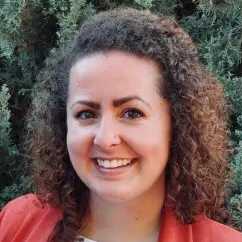
LPC, CBT-I, Insomnia Specialist
Specialties: Insomnia, Anxiety, Life Transitions, Grief
Approaches: Cognitive Behavioral Therapy, Mindfulness, Coping Skills
Lauren Hornbeck is a behavioral health clinician specializing in the treatment of insomnia and sleep-related concerns. She works with clients across multiple phases of the therapeutic process, including exploring relational patterns, identifying unmet needs, and addressing the balance between passivity and activity. Lauren incorporates evidence-based skills centered on empathy, self-compassion, and nervous system regulation to help clients unlearn unhelpful behaviors and build healthier patterns. She has specialized training in Cognitive Behavioral Therapy for Insomnia (CBT-I), the gold-standard treatment for chronic insomnia. Lauren is passionate about helping clients deepen self-understanding and reconnect the mind and body to break cycles that no longer serve their well-being.
Book An AppointmentAll of these clinicians are licensed to see patients throughout Colorado. The locations below show where they are based.
Colorado Springs: Lindsay Fahey
Evergreen: Tristen Vieaux
Fort Collins: Cynthia Rehberg
Parker: Angie Fouts-Hyatt
Pueblo: Lauren Hornbeck
CBT-I is delivered by licensed clinicians and billed as outpatient behavioral health, so most Colorado plans cover it the way they cover any counseling visit. We currently bill Aetna, Anthem Blue Cross Blue Shield, Cigna / Evernorth, Medicare, UnitedHealthcare / Optum and UnitedHealthcare Medicare Advantage.
If your insurer is not listed, contact us to ask about coverage and out-of-network options before booking.
Insomnia and sleep apnea often occur together. We treat insomnia and coordinate referrals to partners who treat apnea. Our guide, Do you need a sleep study?, explains when testing may be appropriate.
Elevation can affect sleep, particularly after a move or travel to higher ground. Tell your clinician when symptoms began and whether they change with altitude. They will consider this when assessing your sleep and planning treatment.
Yes. The Colorado plans we currently bill are Aetna, Anthem Blue Cross Blue Shield, Cigna / Evernorth, Medicare, UnitedHealthcare / Optum and UnitedHealthcare Medicare Advantage. Deductibles and copays apply just as they would for any outpatient behavioral health visit, so tell us your plan when you book and we will confirm what your share looks like before the first session.
Yes. Our clinicians can treat patients throughout Colorado. Most visits take place by video. Limited in-person care is available; confirm availability when booking.
Some people notice changes within one to two weeks, but progress varies. Adjusting time in bed can initially increase tiredness. Your clinician monitors your response and gradually expands the sleep window as sleep improves, usually over six to eight sessions.
Anxiety and insomnia often occur together. CBT-I addresses worry about sleep, and our clinicians can also help with broader anxiety concerns. You can discuss both during your evaluation.
Book an evaluation with a Colorado-licensed CBT-I clinician. If you want the details first, read how the program runs and what to expect at your first visit.
Book An Appointment